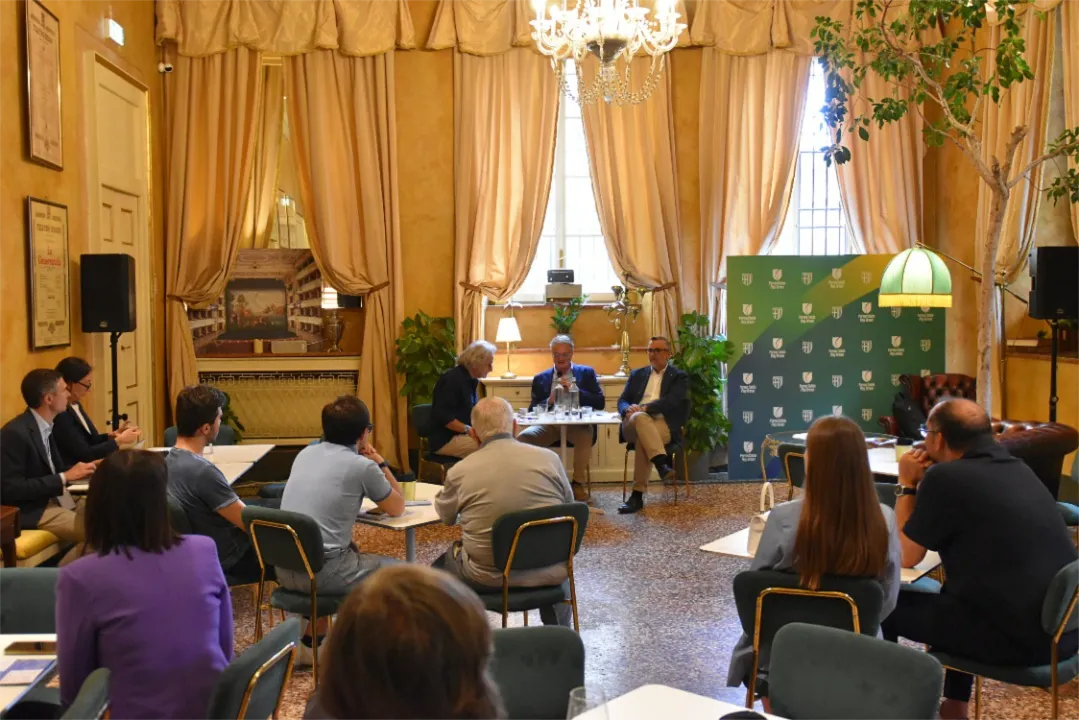
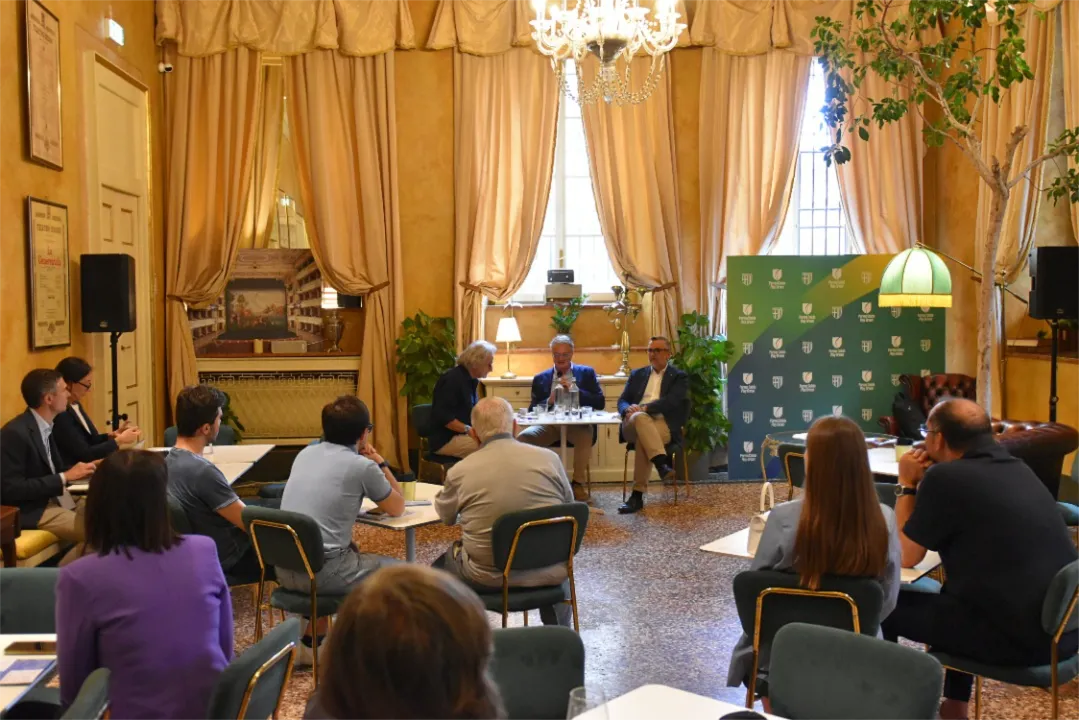
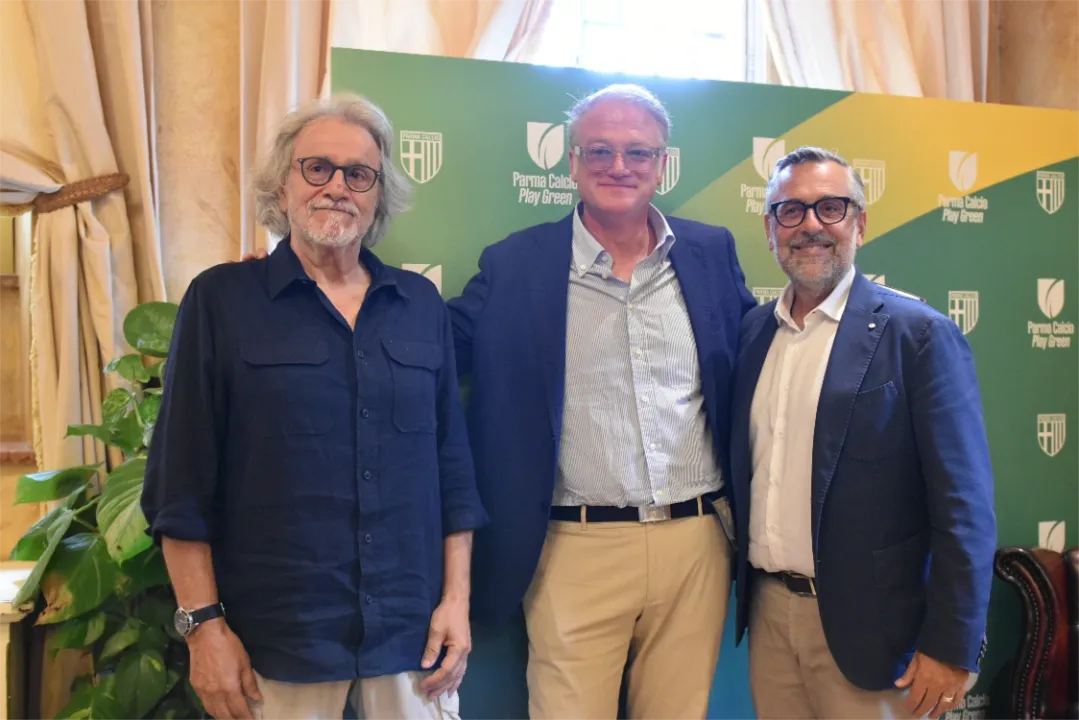
From this perspective, telling the story of a sustainable football means describing a game capable of going beyond sporting results. It means demonstrating how a stadium can become a place of responsibility, connection and care for the local community. This is precisely what is happening at the Ennio Tardini, where Parma Calcio has launched a programme that includes waste separation initiatives and, above all, the recovery of unused food after matches.
Through the “Parma Non Spreca” (“Parma Does Not Waste”) project, meals that are not consumed are reintroduced into a virtuous redistribution network and delivered to families in need. The objective is not only to reduce food waste, but also to restore dignity, normality and support to many people across Parma. It is a tangible commitment that the club intends to continue developing, as confirmed by its COO.
“The stadium, like all stadiums in Italy, is increasingly becoming a place centred around hospitality. At the Tardini, we manage approximately between 1,200 and 1,300 meals every matchday – an enormous number for a facility of our size. Naturally, we must always be prepared for maximum attendance, which means catering for 1,300 people. Without careful management, food waste could become significant. Instead, thanks to our partners, our collaborations and our willingness to rethink hospitality, we are able to manage meals for our guests and ensure that any unused food can be redirected into a positive and beneficial system,” explained Perrone.
The panel organised by Parma Calcio therefore transformed sustainability into a living, practical story that remains close to people and communities. Because telling the story of a sustainable football, in the context of the Serie A Festival, means recognising a broader role for the game: not only entertainment and competition, but also education, example and shared value for society.